Showing posts with label National Park. Show all posts

Tuesday, 4 February 2020

In search of the white hare

"Early January, high on the moors of the Peak District National Park" 


That is unlikely to be a phrase that conjures up images of sunshine and warmth to anyone who knows the Peak District. And I can live with that, but on this particular day I really didn't want it to rain. I was taking my daughter up onto Bleaklow in an attempt to witness a rare sight in the UK, even rarer if you limit your purview to just England. The trip had to be made in winter, our goal is not there to be seen in summer. So back in the Christmas holidays we picked a free Saturday a few weeks away and hoped for the best. The night before the big day the Met Office forecast suggested cool, dull and very windy, but crucially no rain - we were on.

Loaded with warm and waterproof layers, cameras, binoculars and the de rigueur Thermos of hot chocolate, we left home early to complete the 1hr 20min journey before the traffic picked up, and to make the most of the short hours of daylight. Driving through the southern half of the Peak District in the incremental reduction in dullness that passed for sunrise that day, we talked about our goal for the day - white hares.

The only population of mountain hares in England, if you want to see them anywhere else in the mainland UK you're going to Scotland - by no means a problem, but a slightly longer trip. They are native to the UK, but the Peak District population is the result of a reintroduction  with the natively present populations having gone extinct previously. To the untrained eye in summer, relatively easy to confuse with Brown Hares, their lowland, non-native cousin. But in the winter, like a few other upland specialised species, there is no difficulty to determine what you have seen. The mountain hares turn white.

I've been pretty fortunate in my experiences with mountain hares. I used to see them often during the years I worked up on the moors of the Peak District, both in their summer and winter pelage, and have also seen them in Scotland. But my daughter had never seen one. A white hare was the stuff of folklore for her, and this trip was a dream fulfilment mission. No pressure then. 

Parking up at the summit of the Snake Pass, we battled our way out of the car in strong winds. The Met Office had nailed it. It really was cool (for a little girl getting perilously close to properly cold with the wind chill!), very dull with a thick blanket of grey cloud just skimming the high point of Kinder to the south and Bleaklow to the north, and very, very windy. Struggle-to-open-the-car-door-into-the-wind, sort of windy. Getting your outer layers on in those conditions is always fun, but we managed it. In the process I realised that I've still got things to learn as father to a young daughter. I hadn't tied her hair back, and it was already whipping around her face before we had even left the car. Whoops. She was not amused, and fair enough. It wasn't quite the start to the outing I had hoped for.

North was our direction of travel, our backs more or less to the wind to begin with. A wind that intensified as we followed the Pennine Way into its sunken channel, a natural and highly effective wind tunnel. Buffeted by the wind and out of sight of the surrounding moorlands we may not have been able to see any hares, but they were also relatively unlikely to catch sight of us. As we progressed further from the Snake Pass, we raised ourselves above the parapet occasionally to scan the moors with our binoculars - trench warfare. At one of these scouting sessions I spotted a blob of white far off on the edge of a depressions in the peat. Was it a hare!? No, it was a piece of a sheep, the rest obscured further into the depression. Disappointing but it was still early. We had as long as we wanted, or as long as a small person could put up with, whichever arrived first.


On our route up to Hern Clough we spotted hare droppings and frequently used runs through the cotton grass, heard the distinctive, staccato cackle of red grouse and the acorn symbols of the Pennine Way trail markers.  We were definitely on the right track, in more ways that one on this occasion.

The wind continued to blow us toward our intended destination, but it was also still mercilessly blowing hair into a not-as-smiley face, chilling little fingers and a little nose. Despite being wrapped up to the eye balls there was a very real risk that this wind, and the resulting cold was putting a downer on our little adventure. The trip, intended to fulfill a wish and ingrain positive, outdoor experiences, was at risk of becoming a negative, "why did we do this" sort of a trip.

Now of course, when out of doors with little people, versatility is the name of the game, and I was prepared for such an eventuality. On reaching Hern Clough, we turned and followed it downstream in an attempt to drop out of the wind. It didn't work quite as well as hoped... but we did eventually find a sheltered spot round a meander and behind a shoulder of the hillside where we perched for a bite to eat and some of the hot chocolate, a guaranteed spirit lifter. Now working on a circular route outlook rather than the original out and back route we were covering different ground, and were able to spy out into the dead ground of the stream valley ahead of us as we went. Still nothing.

As we reached a turning point in our route, literally, we needed to turn right and go back up hill, we found (drum roll please) some pieces of a white hair. Yep, pieces. A foot, a tail and a few other bones and bits of fur. Granted it was not quite what we had hoped for, but it was exciting enough to put a smile on a cold little face, and a smile on my face too. Not just because my daughter was a bit happier, but also because nestled into what was left of the tail was a sexton beetle, Necrophorus vespilloides, to be specific. In case you are wondering why a beetle which feeds on dead stuff puts a smile on my face, I wrote my Masters dissertation on them, so they bring back happy (and smelly) memories. Good times.

This finding, and the assurance that we were now heading for the car, put a little extra vigour into our pace but we still had a little way to go, and now had no formal path to follow. Navigation wasn't an issue, it was an area I knew and we had good visibility to pick out of reference points - the problem with no path was the trips and slips which result from walking through tall heather. We followed a fence line, and the sheep run that paralleled it, continuing to scout out for a blob of white. a few spells of sitting down, and an eventual caving in to the request for a ride on my shoulders (oh my poor aching back!) we were back in sight of the car in the distance. Surely now the motivation to keep going would be there, with the original goal of the trip now a distinct second place to getting back to the warmth of the car. Until.

"HARE!!" There it was, the legend incarnate. Hunched in the lee of a peat hag, white fur in striking contrast to the black peat, stationary and staring, just like us. We broke first, reaching for cameras, but it was faster out of the blocks and was up and gone. We watched it go and smiled. Mission accomplished. The rest of the journey was irrelevant. We had seen the white hare. Memory banked, positivity restored, foundation for future wildlife adventures reinforced. The magic rabbit had been pulled out of the hat in the nick of time, and saved the day.

Richard


Tuesday, 25 June 2019

Daddy-Daughter Wild Camp: Summer Solstice Microadventure

"The longest day of the year" - that always sounds dramatic doesn't it. Is it also a little sad? Almost as if the year is saying, "You've got less sunshine from here on, sunshine, make the most of it!" Last year on the longest day I was making the most of it, I think so anyway. I was walking down a river in Wales - read about that adventure here. This year I had originally considered walking Hadrian's Wall around the solstice weekend but had changed those plans to do something I could include the family in - the end result was a plan to go camping with my daughter. Excellent.  
A month or so back Alistair Humphreys (if you haven't heard of Mr Humphreys you should check him out, I find his approach to encouraging people to 'live adventurously' both motivational and realistic) issued a challenge to #goniceplacesdonicethings over the summer solstice weekend; specifically encouraging people who struggle to fit 'adventure' into their life to get outside and do something attainable. Oh, and there were prizes too, you know, added motivation. In any event, any uncertainty there may have been that we would get out that weekend vanished. The fervent and hopeful weather forecast watch began and the specific plans started to materialise.  
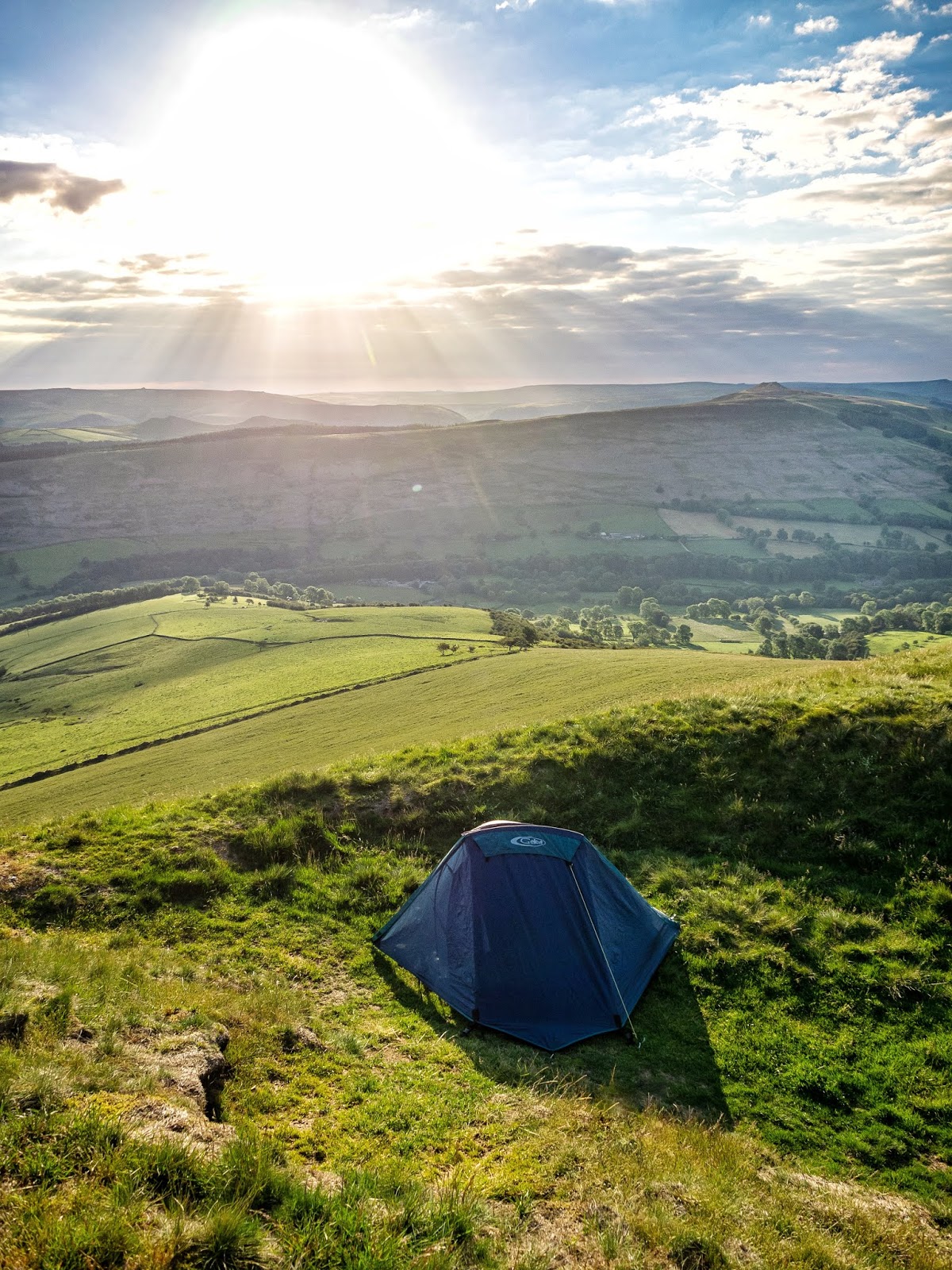
The final resolution on location came when my old colleagues up in the Peak District informed me they were having a BBQ that evening and invited me to come along. We would drive up to the Peak District, drop in to the BBQ to see some old friends and then find a secluded, quiet spot for 'little wild guy' to experience her first wild camp*. She wasn't quite ready for the full bivvy bag only experience (which is a shame as the weather would have been perfect for it and I love my bivvy bag!!) so we took my small hiking tent along instead.
Suitably stocked with snacks, sweets and a large thermos flask of hot chocolate we parked Rhino (the family adventure wagon) below Mam Tor and walked up to Hollins Cross before turning right and heading for Lose Hill at the eastern end of the Great Ridge while the sun set on our left over the Kinder Plateau. To be honest, this was a greater distance than I had remembered from previous visits and the littler legs of the party were starting to lag before we reached the spot we were aiming for, but reach it we did. 
We tucked in to a modest supper of crackers, cheese, salami, M&M's and hot chocolate before putting the tent up in what was by then - about 10:15pm - fast falling light. Little wild guy was out like a light seconds after snuggling into her sleeping bag giving me a chance to do a bit of reading - "The Kindess of Strangers": watch this space for a Best Books entry soon - as the light blue darkened to navy and filled with stars, and the warm glow receeded from a significant chunk to a sliver along the north-western horizon. 

After a good nights sleep we did it all again, in reverse. The tent, the meal, the walk, the car - getting home mid morning on another beautiful sunny day filled with plans and chores. Little guy had slept well. "More comfortably than in her own bed" were the words she used. Our wildcamp had been a success then! It certainly was for me anyway - I had slept well too, enjoying the occasional awakening providing opportunities to glance up and out of the tent door (we may not have been in bivvy bags but I left the tent door open as a compromise) and see the stars, then the first hint of dawn, then a pre-sunrise glare girding it's loins behind scattered cloud before eventually full morning and daylight was upon us once again. This may have been the first daddy-daughter wildcamp but it won't be the last. And the littlest wild guy, my son, was extremely jealous of big sisters adventures and is desperate for one of his own ... Oh, alright then, if you insist son...
Richard  


Thursday, 20 December 2018

Back to the Peaks


At this time of year the alarm which wakes you for sunrise doesn't have to be early. Of course your chances of actually seeing the sunrise are somewhat diminished by the temperamental British weather, but that makes the nice ones all the more special. 

I had taken a day off work and decided that the best way to use my 'adventure day', perhaps ironically, was to go back to my old office; back to the Peak District National Park. I hadn't had a day to myself in the wild for a while and I wanted to make the most of it. To me 'making the most of it' means either out early or out late and with two children waiting for Daddy to come home the preference is always the former. So I set my alarm early enough that I could drive to Edale (which really is where my old office is) and hike up onto Kinder Scout in time to watch the sun rise. 

My plan more or less worked. I was a good way up the southern slopes of Kinder with a few minutes to spare until sunrise when I stopped at a vantage point below Ringing Roger. Overlooking Edale and the Great Ridge it was an ideal spot to watch the sun rise at the mouth of the valley, behind Lose Hill. It was great to be out in the fresh air, watching the world waking up for a short winter day - that never gets old. But my view of the sunrise itself was mediocre, there was just a bit too much cloud. As technically I shouldn't have been able to see it at all I didn't feel to complain too much - the weather forecast had been for thick fog. And anyway, this was just the start of my day.

I often forget how narrow the top of Kinder Scout is at this western point; only a few hundred meters from southern edge to northern lip. Having quickly crossed it, hoping across boggy patches and mini streams, passing the trig point on my way. Reaching the edge I turned west along the northern ridge to reach the head of a stream, Blackden Brook, which would lead my back down again.

A friend had previously remarked about how scenic Blackden Clough was, with its steeply falling stream and many waterfalls and cascades. Ever since that conversation I had been looking for an opportunity to see it for myself. This was my chance and it didn't disappoint, but like many beautiful spots you have to earn the sight. The descent along the stream required hands as well as feet particularly with the rocks slick from over-night rain. 

The tumbling water was clear and strong, the normal peaty darkness of the streams diluted by the freshly fallen. I followed it right down to the valley floor, to the Ashop River. I'd had a relatively crazy plan to make it all the way up to Alport Castles which I quickly realised wasn't going to happen that day - it was an extra 10 km or so, and I while I had been making a reasonable pace, stopping to take photo's and timelapses doesn't cover miles, and I wanted to get back at a reasonable hour to see the family. The long walk would have to wait for another time. 


I turned west and followed the river upstream, until I couldn't without getting wet! The valley slopes transitioned from steep to vertical and I backtracked to get up onto a passable grade. At another time of year, and with some company as a safety back up I'd have happily continued in the river itself, but not in December, flying solo and after a decent rainfall. After a few gentle kilometers, numerous dead sheep and dozens more mini-falls and cascades dropping off the steeply rising land to my left I crossed Fairbrook and started heading back up again. 

The weather up to this point had been changeable, the fog rolling in and out sporadically. As I started up the clough I could see Fairbrook Naze, and then I couldn't - the low cloud obscuring it from view, before breaking and flooding the hillside with sunlight. By the time I reached the top the fog was pretty well set it and remained for the rest of my time up on Kinder that afternoon. 


I crossed the plateau from the top of Fairbrook clough across to Kinder Downfall, a route I had taken before, but I was glad of the reassurance that the Ordnance Survey app on my phone gave me that I heading in the right direction as at times I couldn't see more than about 30 or 40 yards in any direction. I could barely see the downfall when I got there, having followed the Kinder river along its shallow gravelly course for a few hundred yards. The contrast between peat soils and sandy, gravel river bed has always stuck out to me - the Kinder plateau is a funny old place. If you haven't ever visited, I highly recommend it. 


The rest of the trip was really just a return to home. I followed the Pennine way south from the downfall along the edge of the plateau, veering off to pick up the second trig-point of the day and cut off the south-western corner before picking up the path along the southern edge and following past the Woolpacks and Crowden Tower to the head of Grindsbrook Clough. The path down Grindsbrook is a decent and a half, it's one that I have done many times and don't think I'll ever really get tired of it. 

Looking back up at Kinder along the flagstone path which leads you back to Edale and civilization I knew I had used my day off well. 

Richard  


Sunday, 11 February 2018

Snowdon - at last.

Oh no! The alarm hadn't gone off - I'd overslept!

Except I hadn't. I'd just dreamt that I had. This recurring (and very irritating) dream plagues my sleep whenever I have something exciting or important to look forward to the next day. And I certainly had something to look forward to. Even the thought of a 3:30am wake up and a long drive were not enough to dampen my spirits.

I dragged myself out of bed after what felt like a woefully inadequate sleep; that dream has a lot to answer for! My kit was all packed and stacked ready to go. After well over a decade of procrastination I was finally heading to Snowdon.

Having double-checked and loaded my kit, I left home and headed west for the Welsh border. On my drive I listened to the audio book of that classic tale of British wilderness (albeit Scottish rather than Welsh wilderness) 'The 39 Steps' by John Buchan. The sky was bright with a nearly full moon, although I knew that clouds were forecast to be my fate as my journey progressed.

Sure enough shortly after I crossed into the land of the Red Dragon the clouds blocked the moon as completely as if I had driven into a cave, limiting my view of the wider world to the reach of my headlights for the remainder of the trip. I made good time across Wales - at that time of morning traffic isn't exactly heavy - and arrived at Pen-y-Pass car park and the proper start of my days adventure at about 6:30am.

Here I listed my spare kidney on Ebay to fund the parking charges, donned my warm clothes and a head torch and rechecked the map of my route. When I initially started planning for my trip to Snowdon I had hoped to complete it in milder weather and follow the Snowdon Horseshoe route, along two precarious ridge lines up to and back down from the summit. When I learned that there was sure to be snow on the higher ground, and that I would need to start my ascent in the dark because of when I needed to get home, I shelved that plan for a later day. The revised plan was to get as far into the ascent as possible as quick as possible in case there was a sunrise worth photographing. So I settled on the broad and well surfaced Miners track and started on up.

The thick cloud still obscured the moon, and sunrise was still over an hour away so I began in total darkness with no view ahead, but I knew that the mountains towered ahead of me. Soon a few chinks opened in the cloud letting through the first hints of dawn and giving me enough visibility that I could turn off my torch. As my eyes adjusted to the new, lesser darkness I could make out a snow capped outline ahead of me! I assumed this was Snowdon and smiled to myself, my goal was in sight - I was wrong though. What I could see was just a part of the ridge, some 300m below the still cloud bound summit.


The Miners track is straight forward and easy going until the far side of Llyn Llydaw where it gets a little steeper and rougher, but it is above Glaslyn that the path, and the view, starts to get really interesting. This is about 2/3 of the linear distance into the route, but only 1/3 of the vertical ascent, leaving a steep route to negotiate over the last few kilometres. It was also around this point that the laying snow became persistent and the rising sun started to break through a chink in the low hanging clouds. The combination of cool blue lake, majestic snowy mountains, broken cloud and warm sunlight made for a breath taking view!

But the concept of 'a view' was about to become irrelevant. The laying snow and the lowering cloud merged into a wall of white before me. I lost the route of the path in the snow several times and struggled to gauge how much further I had to go. I couldn't see the track 30 meters ahead at times, let alone the summit. The wind driven snow had done a comprehensive job of smoothing out the hill side, blending series of steps into smooth icy slopes. With the aid of poles and studded snow walking aids (proper crampons don't feature on my kit list yet) I made it to the summit ridge feeling in my inexperience as close to a proper alpinist as I've come yet, with just a short walk along the ridge remaining to arrive at the actual summit.


The ridge looked alien! The frigid temperatures and driving winds over the preceding days had sculpted icy feathers over every inch of it. Snow remained only in the most sheltered of spots, the rest blasted off by howling winds. The swirling ice traced the eddies of the wind as clearly as smoke in a wind tunnel and coated the entire landscape, with only the dark rocks beneath breaking the white of the ice. The now brightening cloud still firmly clamped on top of the mountain cast a flat, contrast-less light uniformly over the ice-coated everything and created conditions unlike anything I have seen before - a completely monochrome landscape.

The summit cairn and trig point looked like a chaotically iced wedding cake, and the deserted train station like a movie set from 'The Day After Tomorrow'. I was the first to the top that morning - no one else had been crazy enough to start out for the summit as early as me - and the solitude was palpable, although short lived. A trio of walkers had been gradually catching me for the past hour while I kept stopping to take pictures and they arrived just a few minutes later. I'd like to think that pioneering a path through the fresh, unsullied snow for them had slowed me down, but the reality is almost certainly just that they were faster than me!


I didn't stay long at the top. I had made my pilgrimage, had my adventure. Call me anti-social but sharing these special places with throngs of other people spoils it for me. More often than not it is the solitude itself that I am seeking, and the personal challenge of completing the ascent in the first place, the views are a bonus, but a very welcome one when they are there! Sure enough I passed many other hikers toiling upwards while I descended, but even when the cloud lifted and the iced-gem summit appeared against a bright patch of blue I didn't envy them, because they had to share it, and I had had it to myself, if only for a few minutes.

Now that the clouds had lifted and the sun was properly up the views on my trek back down were every bit as stunning as you would expect of the Snowdonian Mountains in winter. Snow capped peaks were there to be seen in every direction and the low winter sun picked out the finest of topographical details in a landscape which begs the question why we Brits ever feel the need to travel abroad to see beautiful scenery. I made it down about 5 hours after I originally left the car. I shed my cold weather kit, now feeling distinctly over dressed among gaggles of children and young couples who at midday were only just arriving. I left quickly, keen now my adventure was over to get back to my family for the remainder of the day. A few miles away I had to stop and take in the view behind one more time. The clouds had now lifted fully and the snowy summit of Snowdon had revealed herself to all the world. It was the perfect parting memory, one that is certain to bring me back again soon. This may have been my first visit to Snowdon, but it won't be my last!


Richard

Wednesday, 6 December 2017

Working in Conservation: Moors for the Future Partnership - My Day Job

I have often mentioned 'work' and posted images I've taken while out working or on my way to work or some variation on those themes. I've been asked by several people what on earth it is that I do for work! So I wanted to answer that question in some detail. I'd also like to use this to kick start an ongoing series on working in conservation in the UK. 

In later posts I'll talk about my work at The Riddy Wood Project and give my perspective on the good, the bad and the ugly (and the beautiful) of working in the conservation sector in one way or another over the last 7 or so years (wow, it has been that long!). I have no doubt there will be other posts to come after that too.

------------------- 

Since June 2016 I've been working for the Moors for the Future Partnership full time as a Conservation Works Officer. You could say it is my first proper job in the conservation sector as prior to that I had only done part time, seasonal or voluntary jobs. Moors for the Future are a partnership organisation headed up by the Peak District National Park Authority but also including the National Trust, the RSPB and several water companies. As the name suggests the focus of the partnership is protecting moorlands (in the Peak District and South Pennines) for future generations.

Edale Valley, Derbyshire
Not quite the view from my office, but my
office is in this valley, just out of frame (left) 
There is plenty of information on the Moors for the Future website (linked above) but to give a quick run down: the peatlands of the South Pennines are (or were at any rate) some of the most degraded anywhere in the world as a result of years of atmospheric pollution, drainage and wildfire. This came about largely as a result of the industrial centres surrounding the moors and the air pollution that resulted from those industries, but also from short sighted agricultural policies and unsympathetic management practices. This damage resulted in large scale loss of critical plant species from the moors and eventually led to complete vegetation loss over large areas and the associated erosion of the peat soils. This causes problems down stream as well as up on the moors as the peat soil washed off the hills, silted up reservoirs and increased the cost of water treatment among other things.

In about 2003, what was to become Moors for the Future (MFF) started work to address these issues. Fast forward 13 years through several rounds of funding from various sources and of various sizes and we get to 2016 when I joined the team. The year before a new funding stream had been secured, a second EU LIFE funded project called MoorLIFE2020. At the time it was the largest grant from the LIFE programme for a environmental conservation project in the UK - €12 million. The increase in work resulting from this new funding stream required extra capacity and I was in the right place at the right time - often the way jobs in conservation come about - and got one of the two roles being offered.

On this occasion the 'right place' happened to be working with a conservation works contractor - Aitch Conservation - building a footpath across Brown Knoll, an exposed ridge to the south-west of Kinder Scout in the Peak District. The 'right time' was the winter and early spring and it didn't always feel like the 'right time' to be working up there to be honest! The footpath project was being run by MFF and during my time working on the path I got to know a few of the staff a little who tipped me off to the upcoming recruitment and suggested I may want to apply. I did and here I am.

But what do I actually do? I work in the CaLM team (Countryside and Land Management - there is a certain irony in the acronym I have to say!) which is responsible for the physical 'on the ground' conservation and restoration work such as bare peat re-vegetation, gully blocking and sphagnum reintroduction. (There are also Science and Communication teams within MFF which do pretty much what they say on the tin.) We work as a project management company when it comes to our works delivery and as such we don't actually do any of the works ourselves, rather we contract it out to specialist contractors. 

I am one of a team of 6 Conservation Works Officers (CWO's) although we are soon to be expanding that number. Our day to day job includes land owner engagement, site surveys, writing work proposals, tendering for conservation work contracts and supervising contractors. Throw in the odd bit of preparing funding bids, working with Natural England as moorland restoration experts and occasionally assisting other teams with public presentations and you have a fairly comprehensive idea of what I do. 

Moving heather brash for a bare peat re-vegetation
contract in the Peak District National Park. 
Oh, and helicopters - nearly forgot. Understandably that catches a lot of peoples attention. As so much of the work we coordinate takes place miles from any sort of road, and often requires transporting tonnes of material (literally - often hundreds, and in some rare cases even thousands of tonnes) the only way to get those materials to the site is by helicopter - and yes, I do occasionally get to have a ride! Yes, it is cool. No, the novelty hasn't worn off yet. One of the better perks of the job for sure!  

So I do spend a fair bit of time outdoors 'in the line of duty', certainly more than most office dwelling folks. And because of the nature of the work, when I am out doors, it's normally in some pretty scenic places. Predominantly at the minute in the northern half of the Peak District National Park, but also further north into the South Pennines on occasion and for some recent projects short spells into the South West Peak too. But it certainly isn't always in good weather. In fact between April and August, so certainly the best 2 or 3 months of the three, we're not really allowed up on the hills at all on account of that being the breeding season of the ground nesting birds which breed in the uplands. This and other time restrictions means that the majority of our conservation works contracts run over the autumn and winter months, which is always when we spend the largest proportion of our time out and about. BUT - I subscribe to the philosophy that even a bad day out of doors is better than a good one stuck inside, so I can live with that.

It's not all helicopters and hill walking of course - writing contracts and managing budgets doesn't exactly get my heart racing and that type of task makes up a pretty big chunk of my day to day work. And while the scenery of my commute through the UK's original National Park takes some beating, at least on the days when you can see it through the fog and low cloud (as hopefully my photo's regularly illustrate - take a look at my hash tag #aconservationistscommute on Instagram) nothing makes the 70 mile a day round trip commute any shorter.

So that's what I do for work - is it a perfect job? Not for me perhaps, because I tend towards being a hands on kind of person. In an ideal world I'd prefer to get my own hands dirty and do at least some of the work myself. Is it a good job? Definitely. Because the changes which are made through the work we do (or coordinate and facilitate) make real, noticeable and measureable differences to the habitats we are working on, and by doing so, provide significant benefits to local communities.

Next time I'll fill you in on my work on The Riddy Wood Project which is how I get my needed fix of hands on conservation work and hard, outdoors manual labour!

Richard


Monday, 16 October 2017

Let's stop here, Daddy

** We try to  set aside one day a month for us as parents to spend one-on-one time with 
our children - having only two children at present the numbers work out neatly! **

The plans had been made, the kit gathered, snacks selected, 'Rhino the adventure wagon' locked and loaded and we were half way to Kinder Scout in the Peak District National Park. A familiar route for me, as it is also my daily commute. This was to be Megan's first 'big hill' experience because she has been asking recently to climb a big mountain, and specifically 'the 4000 foot mountain' (Ben Nevis). I had informed her she would need to do some training for that, and thus the plan had been born to climb the highest hill in the Peak District.

However, as we were passing Ramshaw Rocks, just east of the Roaches and barely visible off the A53 in the swirling mist Megan piped up - She recognised this place. This was where we had been with Uncle Rob and Aunty Serena. She liked it here. Could we stop here instead please?

So we did - it saved us almost 40 miles of driving off our round trip after all. We continued round to Roach End at the far west of the ridge. Having always walked it from the east before that day I thought even a slight change of scenery would be welcome, not that you'd ever get bored of the Roaches I suspect!

The weather was ... sub-optimal. The cloud was down, the wind up and the rain persistent enough that we were getting wet from the get-go, but Megan lapped it up. She loved clambering over the various rocky tors and outcrops, peering down over the edges to see what was below.
(Luckily, on this occasion, she was also very good at following instructions, because some were high enough to be extremely unforgiving of slips and trips near the edge!)

She wasted no time negotiating when the sweets were going to make an appearance, and spent a large chunk of our time out that day clutching a slowly dwindling bag of midget gems - I managed to persuade her that the chocolate would suffer as a result of similar treatment so that stayed in the bag!


To anyone who has been to the Roaches no explanation is necessary of how impressive they are; to those who haven't, my inadequate vocabulary isn't going to do it justice, so I've thrown a few pictures in.

It is a spectacular grit stone ridge, with frequent rock outcrops along what is in reality more cliff edge than ridge for most of it's length. I thoroughly recommend a visit at some point, whether as a keen walker, casual observer or more daring rock climber it holds something worth experiencing for everyone.

Peregrine Falcons have nested there regularly in recent years, and Staffordshire Wildlife Trust, who manage the site, set up a Peregrine Watch station near Hen's Cloud (at the eastern end of the ridge) to give visitors views of these awesome birds of prey.

Megan loves it there - the combination of rocks and slopes, stunted trees and huge views to the south over the Staffordshire moorlands are stunning - when the cloud base allows - and we will certainly keep coming back. Another definite area to take a look at is Lud's Church to the west. But we've been there recently for a family trip so I'll save that for another time.

Eventually the cloud lifted giving us those aforementioned views South, down towards Tittesworth Reservoir and beyond. With the lifting cloud the wind eased and the rain stopped which made out return trip along the ridge back to Rhino more enjoyable.

Most importantly, Megan had a great time and we got to spend some time together out and about - she also started her Ben Nevis training, although I think we have a little way to go just yet. We are planning to go up to the Isle of Skye next year, which would be a prime opportunity to stop of at Fort William on the way past, but... we will have to see.

Richard


Wednesday, 4 October 2017

Overseas Conservation Adventure - Latvia

**I am very tardy with this one - catching up from early July - its a bit long winded to, but it was 
a three day trip so hopefully that's OK? Anyway, I posted loads of pictures from my trip to Latvia 
for work, and this is the story behind those pictures plus a few I haven't shared yet**

4am is an offensive hour to be woken at the best of times. When it is preceded by an exhausted collapse into bed after 2am it is borderline criminal. Despite this, I dutifully heeded the alarm, rolled out from under the oh-so-comfortable duvet and collected the pile of neatly organised gear I had packed just a few hours before - very quietly. Waking a wife and two young children at that time of day is criminal!

10 hours later I was 1045 miles away (as the 737 flies) looking down on this: The Great Kemeri Bog in Kemeri National Park, Latvia.


I'd travelled by car, then bus, then plane, then another bus, then train and finally on my own two feet for the last few miles to get there. But when I got there... what a view and what a place!

Latvia's wild places definitely made a good first impression on me. This was my first trip to the Baltic and I didn't really know what to expect. Even as I was flying in over the Baltic Sea looking down on coastal lagoons, sandy beaches and thousands upon thousands of acres of forest I had already decided that this was my sort of place.

I had come to Latvia to attend the International Conference on Conservation and Management of Priority Wetland Habitats run by the Wetlands Life + Project and hosted by the University of Latvia. But that didn't start until the following day and I'd had a free afternoon gifted to me by my flight times so decided to use it wisely, and get a head start on the theme of the conference.


I'd picked out Kemeri after a bit of 'googling' (possibly the best adventure planning tool in the world) and figured out that I could get out there and back in the time I had... if I walked fast enough. The train ride out from Riga clearly illustrated that I was a long way from England!


The train was out of the capital city and into greenery in just a few minutes. Along the track people were foraging for wild food; young lime leaves, meadow-sweet flowers and mushrooms among the harvests I recognised. It's pretty unusual to see people in the UK foraging these days, but here it was obviously still a part of peoples routine. (By the way, the train in Latvia is ludicrously cheap - I did an almost 100km round trip for less that €4 return!)


Wood was an obvious and common theme. Not just because the train passed seemingly endless forest, but the houses, train stations, barns and other buildings along the route were built almost exclusively from it. Neatly stacked piles of firewood were obvious in most gardens. I got off the train at a station flanked by woodland and walked the last few miles to the start of the Kemeri Bog boardwalk (made of wood), again flanked for most of the journey by woodland, accompanied by darting dragonflies, and passing myriad wildflowers, many of which I had never seen before, and pollinators aplenty along the road verges.


The bog itself was awesome, literally. My job involves restoring upland blanket bogs in the Peak District National Park and South Pennines in North-West England. There, seeing Sphagnum moss, the building block of peat land habitats, is still a relatively big deal because decades of atmospheric pollution more or less wiped it out. Certainly seeing a carpet of it even just a few meters square is a rare occurrence. A major focus of our work is increasing Sphagnum abundance across our work sites.


Stretching out before me were thousands of acres where the vegetation was comprised of around 90% or more Sphagnum species. To those of you thinking, 'Yeah... And?', we are missing this in the UK, because we've ruined it all. This was the first real opportunity of my lifetime of enjoying the great outdoors, to see what these habitats can be like when they are still in prime condition, and I was blown away.


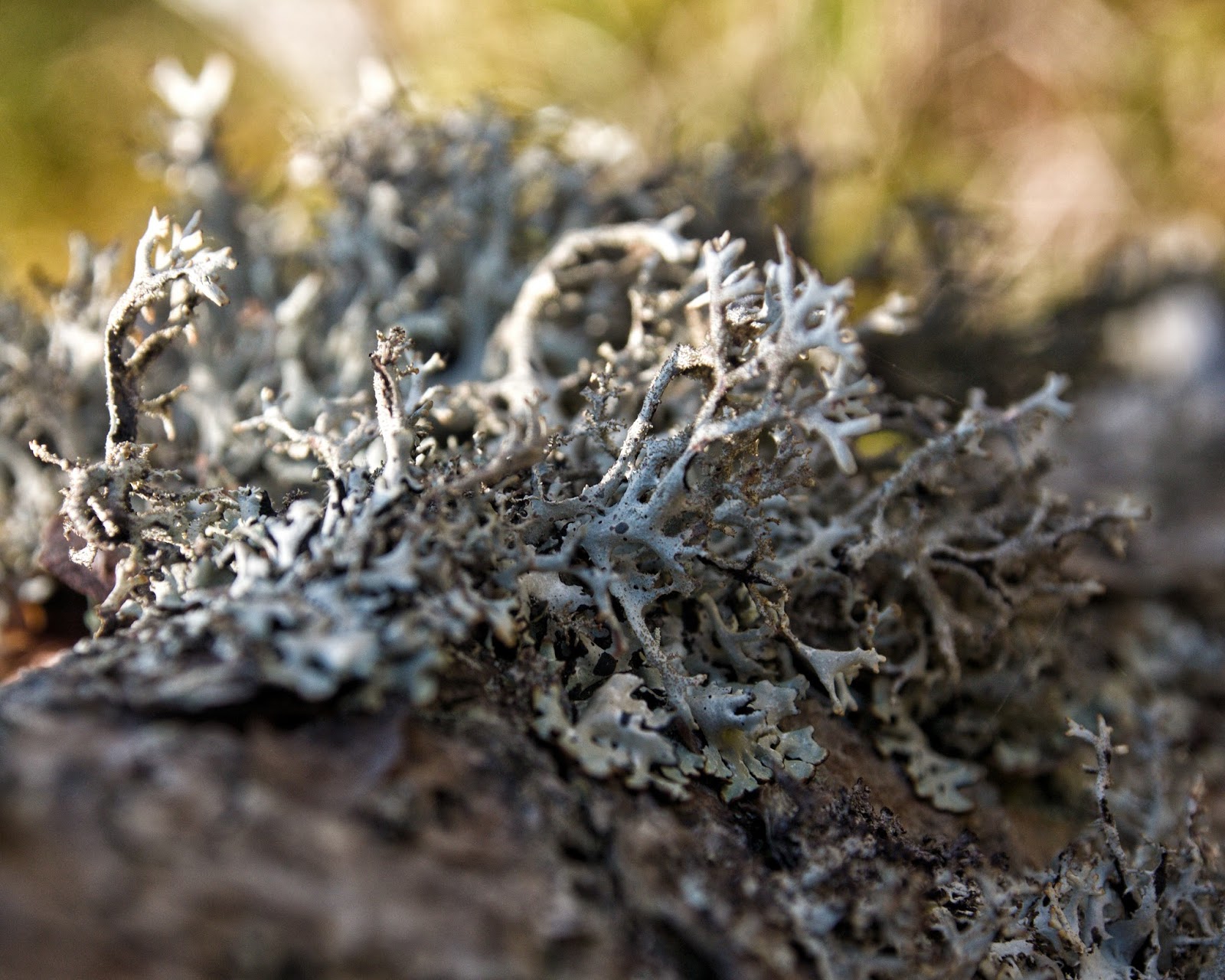
Because of the wet, acidic conditions in the Bog (or is it 'on' the Bog? Whatever...) any trees which get a foot hold are stunted and sparse, rarely growing very large, setting the area apart from the mature. high canopy forest surrounding it. Many die young and eventually fall, but the unique soil water chemistry created by the antiseptic, acidic qualities of the sphagnum means that they never really rot. Indeed that is how peat is formed, organic matter accumulates year after year, not able to decompose due to those unique chemical conditions. The successful vegetation is therefore pretty specialised; carnivorous Sundews, Bog Rosemary and dwarf shrubs. Lichens coat the trees in the clear air away from major industrialisation.


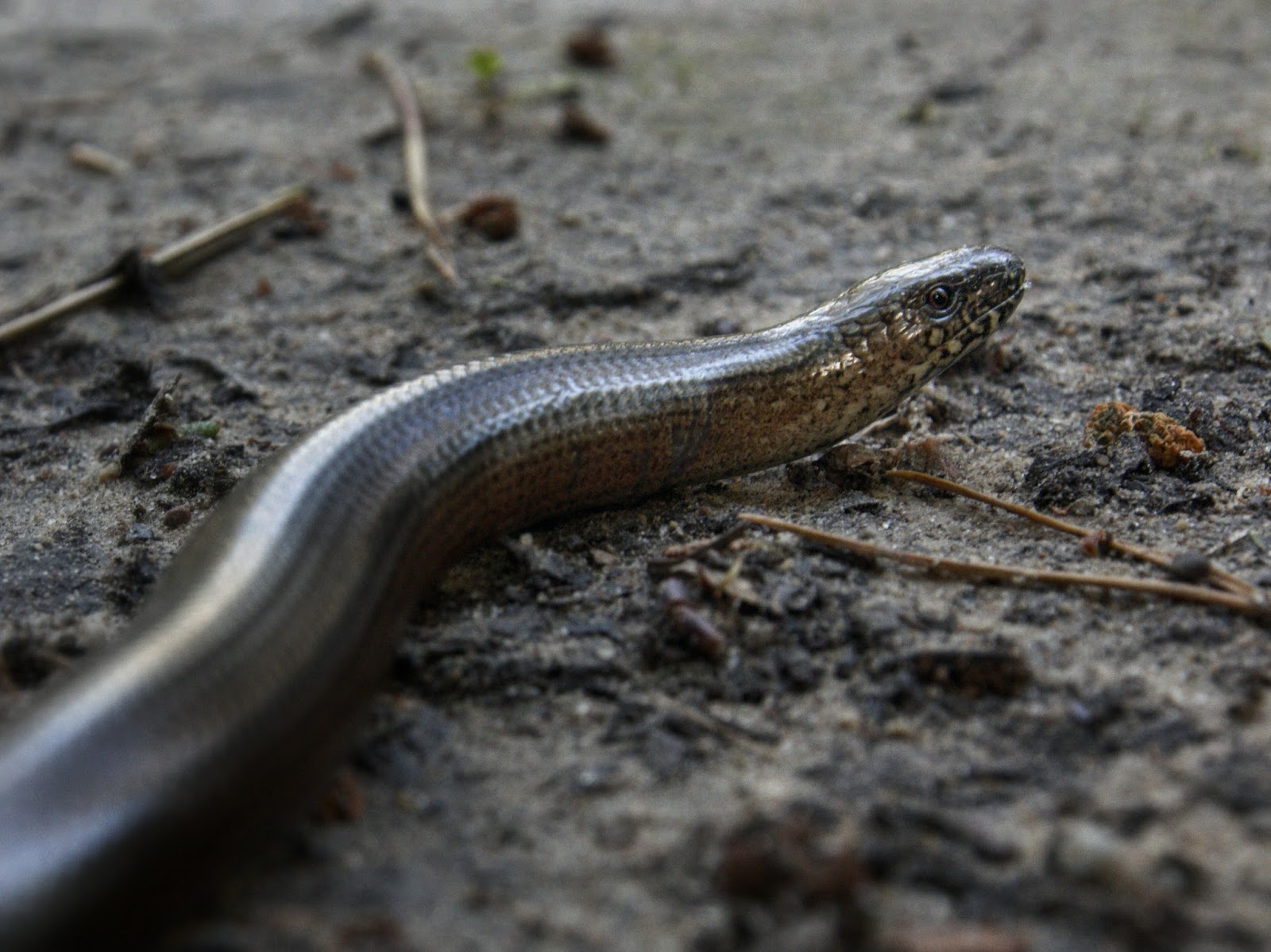
The boardwalk meanders for 3.5km across the bog, but encroaches on only a tiny portion of the whole area - it is vast! As I walked, lizards basking on the warm wood darted off, butterflies looped lazily in the sun while the raptors of the insect world, dragonflies, hunted smaller insect prey. It wasn't until I got to the observation tower at the furthest point of the loop that I was able to get a true sense of the scale of the place - phenomenal! If I hadn't needed to rush back to catch my train I could happily have spent a lot longer, but despite the time constraints I thoroughly enjoyed my visit. I even did my good deed for the day on the return journey, encouraging a frog and a slow worm to safety, when they both seemed determined to become road kill!

When I got back to Riga I walked the streets for an hour or so, familiarising myself a little with the city, and locating something to eat. This was interesting but to be honest, I was more comfortable and interested miles from a paved road on the Bog than I was in the city.


The conference started the next day, and we listened to a whole day of interesting and informative presentations about the conservation and restoration efforts going into wetland habitats stretching from the UK to Russia, and pretty much everywhere in between. These were very educational and encouraging in many instances, but a little disheartening too, hearing both the successes but also the struggles of these organisations to deliver their goals of a healthy natural environment. But, it was a long day in a university lecture theatre - reminiscent of my years of study which now seem a long way behind me! It was the field visits the following day that I was waiting for.


First we visited a restored site; formally milled for peat (harvested believe it or not for pig bedding... I know, thats what I thought too) now reclaimed for nature and turned into a flourishing wetland. It was interesting, the dragonflies were plentiful (always a bonus for me - I love dragonflies!) but otherwise the diversity of species was a little disappointing. I'm used to large expanses of water having birds, usually lots of birds; ducks, geese, gulls, swans, something at least. Here I saw very little bird life, which took me by surprise. At Kemeri Bog a few days before I had noticed the same thing. I saw a few pied wagtails and a pair of Woodchat Shrike - which was great, only seen one before and that was in Spain - but that was it. Back home, I see more birds than that in my tiny, suburban garden.


Next on the itinerary was what I had really been waiting for, another raised bog, Sudas-Zviedru Mire (say that three times fast, but don't ask me how to pronounce it because I can't remember) in the Gauja National Park. These raised bogs were the highlight of the trip for me, hands down. Both Kemeri and this one were eye opening - illustrating just how how much we have lost of our 'wild space' in the UK. So many of the places I had previously viewed as wilderness suddenly seemed pretty tame, and modified and ... just sad. Reserves I thought of as reasonably large started to look puny - this was just one of many similar sites and had at least two extra 0's on the end in terms of the land area.  


This time there was no boardwalk, we waded (I think that might be the most appropriate term) out through the saturated Sphagnum. Out among the bog pools and stunted trees, we listened to presentations on subjects including the original formation of these habitats, water chemistry, species diversity, ongoing conservation efforts and more, all through radio ear pieces which allowed me to keep listening while engrossed in photographing dragonflies and interesting plants (possibly the best field visit ever!? - who said men can't multi-task!), and trying not to fall into the bog pools.


The weather had been threatening rain with a vengeance for a while and as we were preparing to leave it delivered. Still, it seemed an appropriate end to the trip, as without that rain fall where would the bogs be? Certainly not wet enough to entirely soak my boots which, despite several sessions with the hotel hairdryer, were still soaked through when I repacked my luggage and headed for home early the next morning. All in all, it was a great trip, which I thoroughly enjoyed and learned a lot from. I hope there will be a next time as I only scratched the surface of what Latvia has to offer, and if what I saw is anything to go by, it has a LOT to offer if your at all interested in the natural world.

Richard 

To see all these images and more from my trip to Latvia take a look here at the Flickr album, or take a look at my Instagram @wildguyphoto.